
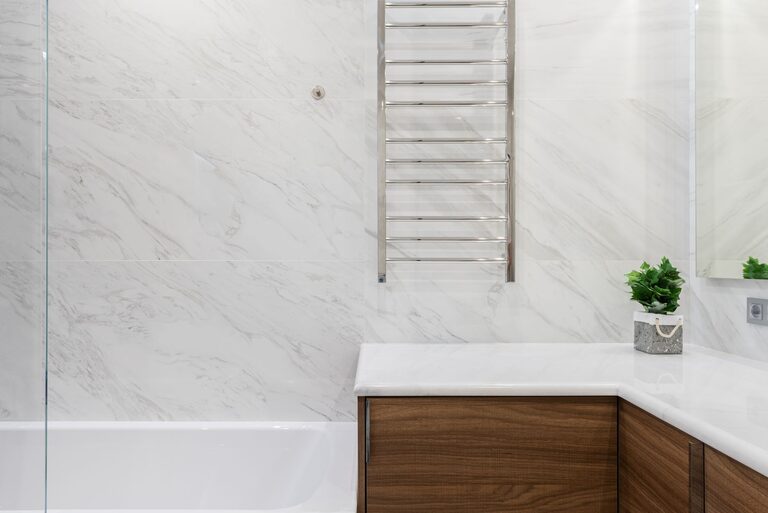
A minimalist bathroom is more than a room with white walls and very few items. It is a space designed around simplicity, function, and calm. Every feature has a purpose, and unnecessary clutter is removed so the room feels open and easy to use.
Creating this look does not require a complete renovation. With thoughtful organization, a limited color palette, and a few practical upgrades, you can make almost any bathroom feel cleaner and more peaceful.
Start With a Clear Plan
Before buying new accessories or changing the decor, look closely at how your bathroom is currently used. Notice what creates clutter, which items are used every day, and what features are rarely needed.
Ask yourself:
– Which products must remain within easy reach?
– What items can be stored inside a cabinet or drawer?
– Are there surfaces that collect unnecessary objects?
– Does the room feel dark, crowded, or difficult to clean?
– Which fixtures or accessories look mismatched?
Make a simple list of your bathroom essentials. This may include towels, soap, toothbrushes, toilet paper, cleaning supplies, and everyday grooming products. Once you know what needs to stay, it becomes easier to remove duplicates and find suitable storage.
Choose a Simple Color Palette
Color has a major effect on the feeling of a small room. Minimalist bathrooms often use soft, neutral shades that create a bright and restful atmosphere.
Common choices include:
– White
– Warm beige
– Light gray
– Soft taupe
– Pale green
– Natural wood tones
You do not need to use only one color. A balanced palette can include one main color, one supporting shade, and a natural accent. For example, white walls, light gray textiles, and wood accessories can create a warm but uncluttered appearance.
If your bathroom already has strong tile colors, use simple accessories to balance them. Avoid adding several competing patterns or bright colors, as they can make the room feel busier.
Reduce Visible Clutter
One of the easiest ways to create a minimalist bathroom is to keep most products out of sight. Open surfaces should be reserved for items used frequently, such as hand soap or a small plant.
Begin by removing expired products, empty containers, and items you no longer use. Group similar products together and avoid keeping multiple versions of the same item unless they serve different purposes.
Useful storage options include:
– Drawer organizers
– Small bins
– Wall-mounted shelves
– Over-the-door organizers
– Lidded baskets
– Narrow rolling carts
– Built-in cabinet dividers
Use containers that fit the available space rather than filling the room with storage pieces. Clear labels can help maintain order, but a simple system is often enough. Store daily items at eye level and less frequently used supplies in higher or lower areas.
Focus on Functional Storage
Minimalism works best when everything has a designated place. Storage should make daily routines easier instead of forcing you to move several items to reach one product.
If you have a vanity, divide the space by category. One drawer might hold dental care products, another might store hair accessories, and a cabinet can hold extra toiletries. In a shared bathroom, separate baskets or sections can help each person keep track of personal items.
For bathrooms with limited floor space, use the walls. A slim shelf above the toilet, hooks behind the door, or a wall-mounted towel rail can add storage without making the room feel crowded.
Choose storage in materials that are suitable for humid conditions. Metal, glass, sealed wood, and moisture-resistant plastic are practical choices. Avoid materials that absorb water easily or are difficult to clean.
Select Simple, Coordinated Accessories
A minimalist bathroom does not need to feel plain. The key is to choose a small number of accessories that work well together.
Try to coordinate:
– Soap dispensers
– Toothbrush holders
– Wastebaskets
– Towel hooks
– Toilet paper holders
– Storage containers
Matching accessories create visual consistency. You can choose one finish, such as matte black, brushed metal, chrome, or white ceramic. Using the same finish across several items gives the room a more intentional appearance.
Avoid placing decorative objects on every available surface. One framed print, a small vase, or a simple tray may be enough to add personality without creating visual noise.
Improve Lighting
Good lighting can make a minimalist bathroom feel larger and more comfortable. If possible, make the most of natural light by keeping windows clear and using a simple, moisture-resistant window covering.
For artificial lighting, consider using more than one source:
– Ceiling lighting for general brightness
– Wall lights near the mirror
– Soft accent lighting for a relaxed atmosphere
Lighting around the mirror should be even and practical. Fixtures placed on both sides of the mirror can reduce shadows and make everyday tasks easier. Choose bulbs with a comfortable color temperature rather than extremely cool or harsh light.
Keep the design of the fixtures simple. A clean, compact shape usually works better than a large decorative fitting in a minimalist space.
Choose Textiles Carefully
Towels, bath mats, and shower curtains can strongly influence the appearance of the room. Select textiles in one or two coordinating colors and avoid too many patterns.
White, beige, gray, and muted green are versatile choices. If you want more character, introduce texture through waffle towels, ribbed fabric, or a woven bath mat instead of adding several bright colors.
Keep only the number of towels you regularly use within easy reach. Store extras neatly in a cabinet, basket, or linen closet. Rolling or folding towels consistently can make open storage look more organized.
Choose a bath mat that dries quickly and is easy to wash. A simple shape and neutral color will support the minimalist style while keeping the floor comfortable.
Add Natural Elements
Natural materials can make a simple bathroom feel warmer. A small plant that tolerates humidity may add color and life without taking up much space. Suitable options vary by lighting and room conditions, so select a plant that can thrive in the space.
You can also add natural character with:
– A bamboo or sealed wood tray
– Stone-colored containers
– Woven storage baskets
– A small arrangement of dried stems
– Textured cotton towels
Use these details sparingly. One or two natural accents are often enough to soften a bathroom without taking attention away from its clean design.
Keep Fixtures and Surfaces Easy to Maintain
A minimalist bathroom should be easy to clean. Fewer objects and clear surfaces reduce the time needed for regular maintenance.
Choose materials with smooth surfaces and limited grooves where possible. Wipe down counters regularly, rinse the shower area after use, and return products to their storage locations. A small daily routine can prevent clutter and buildup from becoming difficult to manage.
Consider keeping basic cleaning supplies in one accessible location. A compact caddy under the sink can hold the products you use most often, while extra supplies can be stored separately.
Maintain the Minimalist Setup
Minimalism is an ongoing habit rather than a one-time decorating project. Every few weeks, review the items in your bathroom and remove anything that is empty, expired, broken, or no longer useful.
Use a simple rule: when a new item comes in, consider whether an old or unnecessary item should leave. This helps prevent cabinets and counters from slowly becoming crowded again.
A well-designed minimalist bathroom should feel comfortable, practical, and personal. By limiting clutter, choosing coordinated details, and giving every item a clear place, you can create a room that is easier to use and more relaxing to return to each day.