
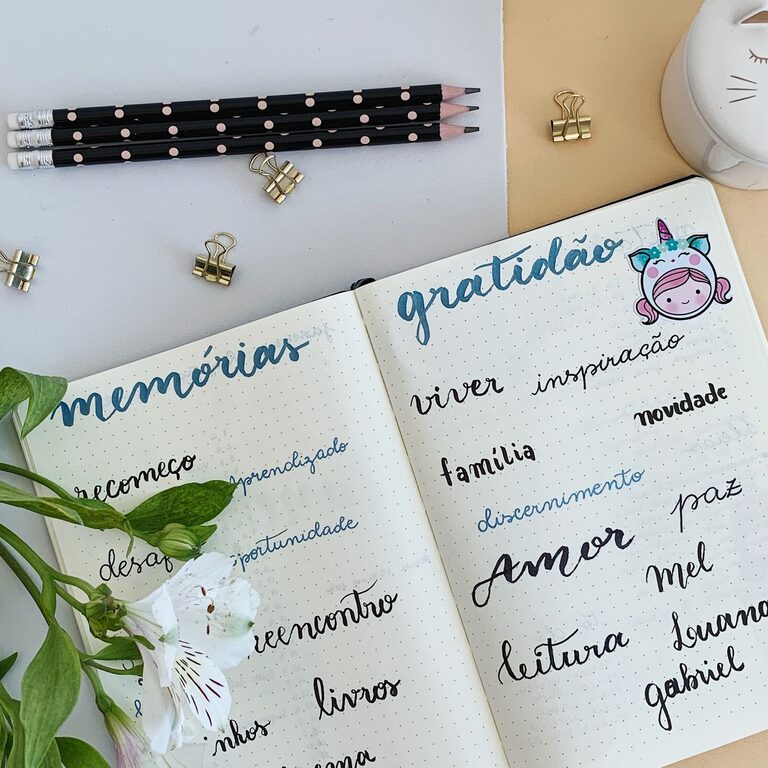
What Is a Gratitude Journal?
A gratitude journal is a place where you regularly write about things you appreciate. These entries can focus on big moments, such as reaching a personal goal, or small details, such as a good cup of coffee, a helpful conversation, or a sunny morning.
The practice is simple: pause, notice what feels meaningful, and write it down. You do not need special writing skills, a large amount of free time, or a perfect routine. A few honest sentences can be enough.
The most important part is choosing a method that feels natural to you. Some people enjoy writing by hand in a notebook, while others prefer using a notes app or a digital journal.
Choose Your Journaling Format
Before you begin, decide where you will keep your entries. The best format is one that is easy to access and pleasant to use.
A paper notebook
A notebook can make journaling feel more personal and focused. You can choose a simple lined notebook, a pocket-sized journal, or a planner with space for daily notes.
Consider keeping it:
– On your nightstand
– Beside your favorite chair
– In your work bag
– Near your morning coffee or tea
A notebook that is visible is easier to remember and use.
A digital journal
A digital journal may be more convenient if you usually carry your phone or spend much of your day at a computer. You can use a notes app, a document, or a journaling app.
Digital entries can be useful because they are:
– Easy to search
– Simple to update
– Convenient when traveling
– Available on multiple devices
You can also record a short audio note if writing is not practical. The goal is reflection, not following a specific format.
Start With a Small Routine
When beginning a new habit, keep the first step manageable. Instead of planning to write a full page every day, start with one to three items.
For each item, add a short reason. For example:
– I am grateful for my morning walk because it gave me quiet time.
– I appreciate my coworker’s help because it made a busy task easier.
– I enjoyed the fresh bread from the local bakery because it made breakfast feel special.
Adding a reason helps you focus on the experience rather than simply creating a list.
You can write for two to five minutes. A short routine is more likely to fit into a busy schedule and can be expanded later if you enjoy it.
Pick a Time That Fits Your Day
There is no single best time to keep a gratitude journal. The right time is the one you can repeat consistently.
In the morning
Morning journaling can help you begin the day with a calm moment of attention. You might write about something you are looking forward to, a person you value, or a resource that supports your daily life.
In the evening
Evening journaling gives you a chance to look back on the day. You can note a pleasant moment, something you learned, or an ordinary detail that made the day better.
During a break
A short break at work or school can also be a useful time. Writing in the middle of the day may help you pause and notice positive details before continuing with your schedule.
Try one time for a week. If it does not work well, adjust it rather than abandoning the practice.
Use Simple Prompts
Prompts can make it easier to begin when you are not sure what to write. Keep a list nearby so you always have a starting point.
Try these gratitude journal prompts:
– What made today a little better?
– Who helped, encouraged, or inspired me recently?
– What part of my routine do I appreciate?
– What is something useful that I often take for granted?
– What place makes me feel comfortable or welcome?
– What small pleasure did I notice today?
– What skill or opportunity am I thankful to have?
– What challenge taught me something valuable?
– What is one object that makes daily life easier?
– What is something I am looking forward to?
You do not need to answer every prompt. Choose the one that feels most relevant at the moment.
Focus on Specific Details
General statements can be a good starting point, but specific details often make an entry more meaningful. Instead of writing, “I am grateful for my friends,” describe a particular interaction.
For example:
> I am grateful that my friend called this afternoon. We talked about a book we both enjoy, and the conversation gave me a welcome break.
Specific details help you remember why the moment mattered. They also make it easier to find appreciation in ordinary parts of life.
You can write about sensory details, such as the taste of a meal, the sound of rain, or the feeling of clean sheets. You can also describe an action, a conversation, or a quiet moment.
Keep Your Entries Honest
A gratitude journal does not require you to pretend that every day is perfect. Some days may feel busy, frustrating, or disappointing. You can acknowledge those feelings while still recording one small thing you value.
An entry might say:
> Today was tiring, but I appreciated having a comfortable place to rest in the evening.
Or:
> I did not finish everything on my list, but I am glad I asked for help with one task.
Honesty makes the practice more sustainable. You are not trying to create a cheerful record of every moment. You are simply making space to notice what is worthwhile alongside everything else.
Connect Journaling to an Existing Habit
A new routine is easier to remember when you attach it to something you already do. This approach is sometimes called habit stacking, but the idea is simple.
You could write:
– After brushing your teeth at night
– After making your morning drink
– Before opening your email
– After putting your children to bed
– Before turning off the light
Keep the journal and a pen in the same place as the related item. For digital journaling, set a gentle reminder at the time you have chosen.
Avoid Common Journaling Pitfalls
A few expectations can make gratitude journaling feel harder than it needs to be.
Do not aim for perfection
Missing a day does not mean you have failed. Simply start again the next time you remember.
Do not compare your entries
Your journal is personal. There is no need to make your writing sound profound or polished.
Do not force a long entry
A single sentence is valid. A short note may be all you have time or energy for on a particular day.
Do not repeat the same topics without reflection
Repeating an item is completely acceptable, especially when it remains important. To keep your entries fresh, add a different detail or explain why it matters at that moment.
Review Your Journal Occasionally
After a few weeks, read some of your earlier entries. Reviewing them can help you notice recurring themes, important relationships, enjoyable routines, and everyday comforts.
You might ask yourself:
– What types of moments appear most often?
– Which people do I mention regularly?
– What activities help me feel connected or engaged?
– What small details have I started noticing more?
– Is there anything I want to make more room for?
This review can turn journaling into a useful record of your experiences. You may also discover ideas for future routines, personal projects, or meaningful ways to spend your time.
Make the Practice Your Own
There is no required length, schedule, or style for a gratitude journal. You can write in complete paragraphs, create bullet points, add drawings, include photographs, or combine gratitude with daily planning.
Start with one notebook or app, one short entry, and one consistent time of day. Then allow the practice to develop naturally. With a simple approach and realistic expectations, gratitude journaling can become a quiet space to pause, reflect, and appreciate the details that shape your everyday life.