
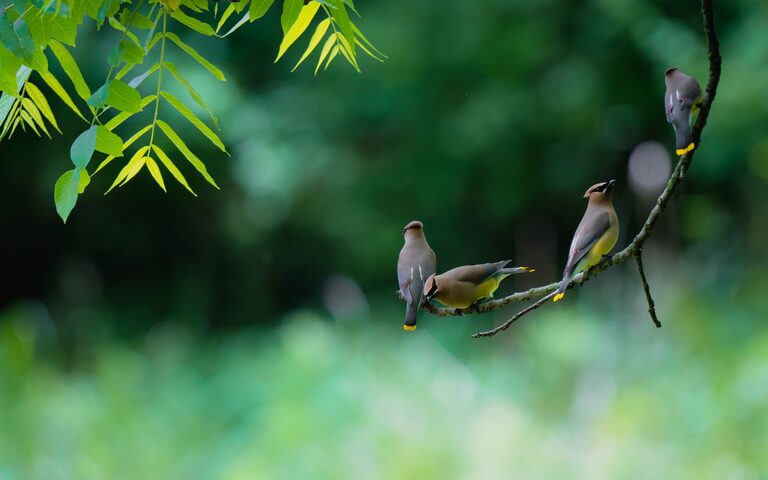
Backyard birdwatching is an easy, rewarding hobby that can be enjoyed almost anywhere. You do not need expensive equipment, a large yard, or expert knowledge to get started. With a little preparation, you can begin noticing the birds that visit your outdoor space and learn more about their habits.
Whether you live in a city apartment, a suburban neighborhood, or a rural area, these beginner-friendly tips will help you create a welcoming birdwatching space and make the most of every sighting.
Start With What You Have
The best way to begin birdwatching is simply to spend time observing. Choose a comfortable place near a window, on a porch, or in a garden where you can quietly watch the outdoors.
Start by noticing:
– The size and shape of each bird
– The colors and patterns on its feathers
– The shape of its beak and tail
– How it moves and behaves
– The sounds it makes
– Where it spends time in your yard
You may be surprised by how many birds are already nearby. Even a small outdoor space can attract different species throughout the day.
Try watching at different times. Early morning is often active, but birds may also appear around midday or in the late afternoon. Keeping your observations quiet and regular will help you notice patterns.
Choose Basic Birdwatching Equipment
You can begin without any special gear, but a few simple tools can make birdwatching easier.
Binoculars
Binoculars help you see birds from a comfortable distance without disturbing them. For beginners, binoculars with moderate magnification are usually easy to use. A lightweight pair is often more practical than a large, heavy model.
When using binoculars, first find the bird with your eyes. Then bring the binoculars up while keeping your gaze in the same direction. This takes a little practice, especially when watching birds that move quickly.
Field Guide or Birding App
A field guide can help you compare birds by appearance, range, and behavior. Choose a guide that focuses on birds in your region. A local guide is usually more useful than a book covering birds from around the world.
Bird identification apps can also be helpful. Many allow you to search by color, size, location, or bird call. Use technology as a helpful reference, but take time to compare several features rather than relying on one detail.
Notebook or Phone
Record the date, location, weather, and birds you see. Write down details such as:
– What the bird was doing
– Where it was perched
– What it sounded like
– Whether it was alone or in a group
– What food or plants were nearby
A simple log can help you recognize seasonal changes and remember your favorite sightings.
Make Your Yard Bird Friendly
Birds need food, water, shelter, and safe places to raise their young. Providing these features can make your yard more attractive to a variety of species.
Add Native Plants
Native plants are adapted to your local climate and often provide natural food and shelter for birds. Trees and shrubs may offer berries, seeds, insects, nesting areas, and protection from weather.
Consider adding a mix of:
– Flowering plants that attract insects
– Berry-producing shrubs
– Seed-producing flowers
– Evergreen trees or shrubs for cover
– Plants with different heights and shapes
Avoid replacing every part of your yard with one type of plant. A varied landscape gives birds more places to feed, rest, and hide.
Provide Clean Water
A shallow birdbath can attract birds that may not visit feeders. Place it where birds have a clear view of the surrounding area, but keep it near shrubs or trees where they can find cover.
Change the water regularly and clean the basin often. Moving water, such as a small fountain or dripper, may attract additional birds and help keep the water fresh. In colder weather, check the basin frequently to prevent it from becoming unsafe.
Offer Bird Feed Carefully
Feeders can bring birds close enough for easy viewing. Different foods attract different birds, so a basic seed mix may bring a variety of visitors.
Common options include:
– Black oil sunflower seeds
– Safflower seeds
– Millet
– Nyjer seed
– Suet in suitable weather
Place feeders where you can see them clearly, but not so close to windows that birds may collide with the glass. Keep feeders clean and remove wet or spoiled food. If you notice signs of illness among visiting birds, pause feeding and clean the area thoroughly before putting feeders back out.
Learn to Identify Birds Step by Step
Trying to identify every bird immediately can feel overwhelming. Instead, focus on a few common species at a time.
Begin with birds that are easy to recognize in your area. Look for clear features such as a bright color, a distinctive beak, a long tail, or a repeated movement. Bird behavior can be just as useful as appearance.
For example, ask:
– Does the bird stay on the ground or in the trees?
– Does it hop, walk, climb, or hover?
– Does it visit flowers, feeders, or puddles?
– Does it travel alone or in a flock?
– Does it have a distinctive call?
Birds can look different depending on their age, sex, season, lighting, and feather condition. If you are unsure, record what you notice and check a guide later. Learning gradually is part of the fun.
Listen as Well as You Look
Bird calls can help you find birds that are hidden in trees or bushes. Spend a few minutes listening before you begin scanning the yard.
You do not need to memorize every call. Start by noticing simple differences. One bird may have a loud, repeated call, while another may produce a short, soft note. With regular practice, you will begin to recognize familiar sounds.
Avoid playing recorded bird calls repeatedly to attract birds. Artificial sounds can disturb wildlife, especially during nesting season. Quiet observation is a better way to enjoy your surroundings.
Practice Good Birdwatching Etiquette
Respect for birds and their habitat should always come first. Keep a reasonable distance from nests, young birds, and resting wildlife. Do not chase birds for a closer look or enter restricted areas.
Keep pets under control when watching birds outdoors. Cats and dogs can disturb or harm visiting wildlife, even when they seem curious rather than aggressive.
If you photograph birds, avoid sudden movements and loud noises. A camera with a zoom lens allows you to observe from farther away. The best birdwatching experiences leave birds calm and undisturbed.
Make Birdwatching a Regular Habit
You do not need to spend hours outdoors. Even 10 or 15 minutes can be worthwhile. Keep your binoculars and notebook near a convenient window or door so they are easy to use.
Consider choosing a simple goal, such as:
– Identifying three birds this month
– Recording birds seen at different times of day
– Learning one new bird call each week
– Creating a seasonal list
– Improving your yard with one native plant
Birdwatching becomes more enjoyable as you build familiarity with your local species. Over time, you may notice migration patterns, changes in weather, and the arrival of young birds.
Enjoy the Process
The most important beginner tip is to stay curious. You will not identify every bird correctly, and some days may be quieter than others. Each observation is still a chance to learn something new.
Start small, observe patiently, and create a welcoming space for birds. With simple equipment and regular practice, your backyard can become an engaging window into the natural world.