
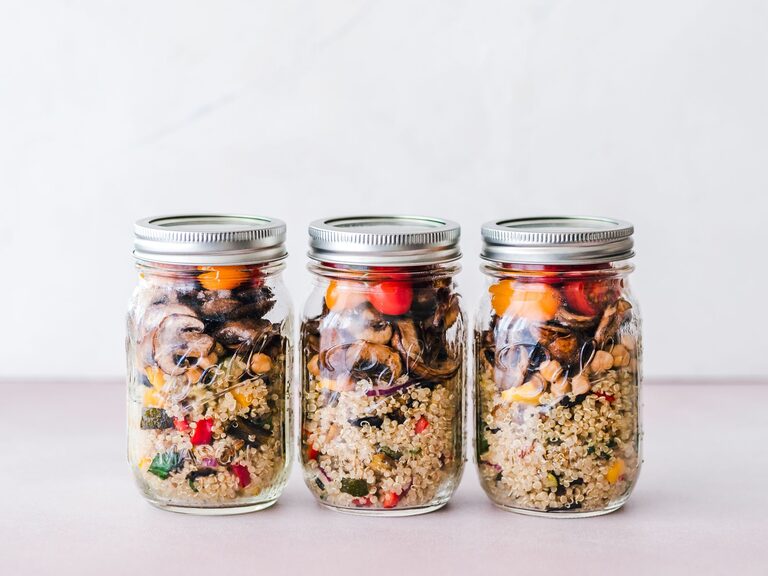
Busy weeks can make cooking feel like one more task on a long list. With a little planning, however, you can prepare simple meals and ingredients ahead of time so weekday cooking takes less effort. Meal prep does not have to mean spending an entire Sunday in the kitchen or eating the same dish every day. A few basic strategies can help you save time, reduce food waste, and make meals easier to assemble.
Start With a Simple Plan
The easiest meal prep routine begins with a short plan. Before shopping, think about how many meals you need and which foods can be used in more than one dish.
Try this approach:
– Choose two main proteins, such as chicken, eggs, beans, tofu, or fish.
– Pick two or three vegetables that can be roasted, steamed, or eaten raw.
– Prepare one grain or starch, such as rice, pasta, quinoa, potatoes, or tortillas.
– Add easy extras, including fruit, yogurt, cheese, nuts, sauces, or herbs.
– Plan a few flexible meals instead of a strict menu for every day.
For example, roasted vegetables, cooked rice, and seasoned chicken can become a bowl, a wrap, or a quick stir fry. This keeps your meals varied without requiring several completely different recipes.
Prep Ingredients Instead of Complete Meals
Preparing ingredients separately gives you more flexibility during the week. It also helps prevent meals from becoming repetitive.
Wash and cut vegetables, then store them in airtight containers. Cook a batch of rice or another grain and divide it into portions. Hard-boiled eggs, cooked beans, and shredded chicken can also make quick additions to meals.
Useful ingredients to prepare ahead include:
– Chopped onions, peppers, carrots, and broccoli
– Washed salad greens
– Cooked rice, quinoa, pasta, or potatoes
– Roasted vegetables
– Grilled or baked chicken
– Cooked lentils or beans
– Simple sauces and dressings
– Washed fruit for snacks
Keep ingredients in separate containers when possible. This makes it easier to combine them in different ways and helps preserve texture.
Make a Few One Pan Meals
One pan meals are useful when you want a complete dinner with minimal cleanup. Arrange a protein, vegetables, and a starch on a baking sheet or in a large oven safe dish. Add oil and simple seasonings, then cook until everything is tender and fully done.
Easy combinations include:
– Chicken, potatoes, and green beans
– Sausage, peppers, and onions
– Tofu, broccoli, and sweet potatoes
– Salmon, asparagus, and baby potatoes
– Chickpeas, cauliflower, and carrots
Use seasonings to create different flavors throughout the week. For example, use garlic and herbs for one meal, taco seasoning for another, or a mild curry blend for a warmer flavor. Store the cooked components separately if you plan to use them in wraps, salads, or bowls.
Build Make Ahead Grain Bowls
Grain bowls are easy to customize and can be made with ingredients you already have. Start with a base of rice, quinoa, couscous, or roasted potatoes. Add a protein, vegetables, and a sauce.
A basic grain bowl formula is:
- Choose a base.
- Add a protein.
- Include one or two vegetables.
- Add something crunchy, such as seeds, nuts, or sliced vegetables.
- Finish with a sauce or dressing.
For a quick Mediterranean style bowl, combine quinoa, chickpeas, cucumber, tomatoes, olives, and a yogurt based dressing. For a taco inspired bowl, use rice, beans, corn, salsa, avocado, and shredded cheese. Keep wet ingredients separate until serving so the grain and vegetables stay fresh.
Prepare Easy Breakfasts
Breakfast can be one of the simplest meals to prepare ahead. Overnight oats, egg muffins, yogurt cups, and breakfast burritos can all be made in advance.
For overnight oats, combine oats with milk or a milk alternative, yogurt, fruit, and a topping such as cinnamon or nuts. Store individual portions in the refrigerator and add extra toppings just before eating.
Egg muffins are another practical option. Whisk eggs with chopped vegetables and cheese, pour the mixture into a muffin pan, and bake until set. They can be served with toast, fruit, or a small salad.
You can also assemble smoothie packs by placing fruit and leafy greens in freezer safe bags. When ready, blend the contents with your preferred liquid and yogurt or another ingredient for added texture.
Keep Lunches Simple
A good make ahead lunch should be filling, easy to transport, and enjoyable after a day or two in the refrigerator. Salads, wraps, soups, and pasta dishes are all useful options.
For salads, store dressing separately and add it shortly before eating. Layering ingredients can also help: place dressing at the bottom, followed by sturdy vegetables, grains or beans, and greens on top.
Wraps are easy to vary with different fillings. Try combinations such as:
– Turkey, cheese, spinach, and sliced tomato
– Hummus, cucumber, roasted peppers, and greens
– Chicken, lettuce, shredded carrots, and a mild sauce
– Tuna, celery, and yogurt based dressing
– Black beans, corn, rice, and salsa
If you are preparing wraps several days ahead, keep wet ingredients separate and assemble them closer to mealtime.
Use Your Freezer Wisely
The freezer can extend the life of prepared foods and provide quick options for busy evenings. Soups, stews, cooked beans, casseroles, and some sauces usually freeze well.
Freeze meals in useful portions rather than one large container. Label each container with the name and date so you can easily identify what is available. Flat freezer bags are helpful for soups and sauces because they stack neatly and thaw more quickly.
Some foods are better prepared fresh. Watery vegetables, delicate salad greens, and creamy sauces may change texture after freezing. When in doubt, freeze the main dish and add fresh toppings or vegetables later.
Set Up a Short Weekly Prep Routine
You do not need a large block of time to make meal prep worthwhile. Even 30 to 60 minutes can make the week easier.
A simple routine might look like this:
– Review your schedule and choose a few meals.
– Write a short shopping list.
– Wash and cut produce.
– Cook one protein and one grain.
– Prepare a sauce or dressing.
– Portion snacks and breakfast items.
– Clean the kitchen and store everything clearly.
Use containers that stack well and match the portions you normally eat. Keeping prepared food visible in the refrigerator can also remind you to use it before buying more.
Keep It Flexible
The best meal prep routine is one you can maintain. If preparing five complete meals feels like too much, start with just two dinners, three breakfasts, or a few ready-to-use ingredients. You can build from there.
Leave room for leftovers, takeout, or an unplanned meal. Meal prep is meant to make your week easier, not add pressure. By preparing a few versatile ingredients and using simple recipes, you can spend less time cooking on busy days while still enjoying meals that feel fresh and satisfying.