
A good weekend does not need to be packed with activities to feel meaningful. In fact, trying to fit too much into two days can leave you more tired than when the weekend began. A no-stress weekend is built around balance: a few enjoyable plans, enough flexibility to handle changes, and plenty of time to rest.
With a little preparation, you can create a weekend that helps you recharge without feeling restricted. The goal is not to plan every minute. It is to make a few thoughtful choices in advance so you can spend less time deciding and more time enjoying yourself.
Start With How You Want to Feel
Before making a schedule, think about what you need from the weekend. Your answer may change from week to week.
You might want to:
– Catch up on sleep
– Spend time with family or friends
– Enjoy hobbies
– Get outside
– Finish a few household tasks
– Have quiet time alone
– Prepare for the week ahead
Choose one or two main priorities rather than trying to accomplish everything. For example, if you have had a busy week, your priority may be rest and quiet. If you have been working from home, you may prefer to leave the house and spend time outdoors.
This simple step helps you avoid plans that look appealing but do not match your energy level.
Keep Your Schedule Light
A common source of weekend stress is overbooking. One event can easily lead to several extra commitments, especially when travel time, meals, and preparation are included.
Try choosing one main activity for each day. This could be:
– Meeting a friend for lunch
– Visiting a local park or museum
– Taking a day trip
– Working on a creative project
– Attending a community event
– Preparing a favorite meal
Leave open space before and after the activity. Free time gives you room to slow down, deal with unexpected delays, or simply change your mind.
A useful rule is to schedule fewer activities than you think you can manage. If you finish early and still have energy, you can always add something simple, such as a walk or a coffee break.
Build in Transition Time
Plans often feel stressful because there is no time between them. Allow extra time for getting ready, traveling, eating, and taking a break.
For example, if you are meeting someone at noon, avoid scheduling another commitment immediately afterward. A comfortable gap can make the entire day feel easier.
Make a Short List of Weekend Tasks
Household chores can take over a weekend if they are not given clear limits. Instead of creating a long list, choose a few essential tasks and decide when they will be done.
A simple weekend task list might include:
– Grocery shopping
– Laundry
– Tidying the main living areas
– Preparing one or two meals
– Answering important messages
– Planning transportation for the next week
Ask yourself which tasks truly need attention now. Some items can wait until another day.
You can also group small jobs together. For example, put away laundry while listening to music or complete a few quick errands on the same trip. The goal is to make chores efficient without turning the weekend into a work session.
Prepare Before Friday Ends
A small amount of preparation on Friday can make Saturday and Sunday feel much calmer. You do not need to spend hours organizing. Ten to fifteen minutes may be enough.
Before ending the week, consider:
– Checking your calendar
– Confirming important plans
– Writing down errands
– Choosing a few meals
– Gathering anything needed for weekend activities
– Clearing urgent tasks from your workspace
If you work from home, create a clear stopping point. Close work-related tabs, put away papers, and make a note of anything that needs attention on Monday. This can help separate work time from personal time.
Plan Easy Meals
Meals can become an unexpected source of stress when every decision is left until the last minute. Keep food planning simple and flexible.
Choose a few meals that are easy to prepare and include familiar ingredients. You might prepare one larger dish that can be used for more than one meal, or keep a few quick options available for busy moments.
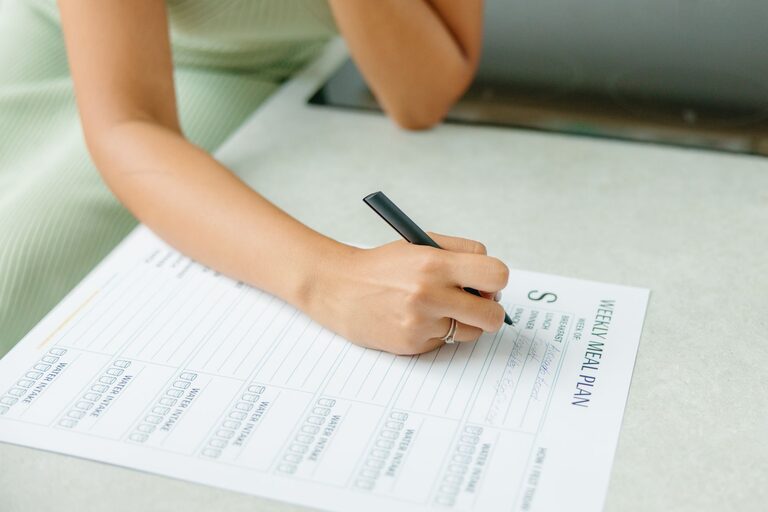
A basic meal plan could include:
– One prepared breakfast option
– Ingredients for two simple lunches
– One easy dinner
– Snacks and drinks
– A flexible meal for eating out or ordering in
Do not treat the plan as a strict menu. It is simply a way to reduce unnecessary decisions. Leaving room for a change of plans can make meals feel more enjoyable.
Include Rest Without Guilt
Rest is not something you have to earn by completing every task. It is a useful part of a balanced weekend.
Rest can take many forms:
– Sleeping a little later
– Reading
– Listening to music
– Watching a favorite show
– Taking a quiet walk
– Sitting outside
– Spending time without a screen
If you find it difficult to rest, add it to your plan. A quiet hour in the afternoon or a relaxed morning can be just as valuable as a scheduled activity.
Try not to compare your weekend with other people’s weekends. Photos and posts often show only selected moments. Your ideal weekend may be calm, social, active, or a mixture of all three.
Use Flexible Time Blocks
Instead of planning an exact timetable, organize your weekend into broad time blocks. This gives your day some structure while allowing plans to change.
For example:
– Morning: slow breakfast and one household task
– Afternoon: main activity or time outside
– Evening: simple meal and relaxing activity
Time blocks are easier to adjust than a detailed schedule. If you sleep later or an activity takes longer than expected, the rest of the day does not need to fall apart.
Create a Backup Plan
A backup plan can prevent small problems from becoming major disappointments. If you plan to spend the day outside, choose an indoor alternative in advance. If a friend cannot meet, have a second option that you would enjoy alone.
Backup ideas might include:
– Visiting a library or bookstore
– Trying a new recipe
– Watching a movie at home
– Organizing photos
– Calling someone you have not spoken with recently
– Exploring a nearby neighborhood
The backup plan does not need to be exciting. It simply gives you an easy next step.
Set Boundaries Around Technology
Technology can help with planning, but constant notifications may make it harder to relax. Decide when you want to check email, messages, or social media.
You could:
– Turn off nonessential notifications
– Set aside specific times to check messages
– Keep your phone away during meals
– Avoid work email until the weekend is over
– Use a simple list instead of several planning apps
There is no need to avoid technology completely. The goal is to use it intentionally rather than letting it control your attention.
End the Weekend Gently
A calm Sunday evening can make Monday feel more manageable. Spend a short amount of time preparing for the week, then give yourself permission to stop.
Helpful steps may include:
– Checking your schedule
– Choosing clothes for the next day
– Preparing a basic breakfast or lunch
– Packing a work or school bag
– Writing down your top priorities
– Tidying one small area
Keep this routine brief. Preparing for Monday should support your weekend, not take it over.
Remember That Simple Is Enough
A no-stress weekend does not need to be productive, impressive, or carefully documented. It only needs to suit your needs.
Choose a few priorities, leave open space, and make plans that match your available energy. When you keep expectations realistic, ordinary moments—such as a good meal, a walk, or an unhurried conversation—can become the best part of the weekend.