
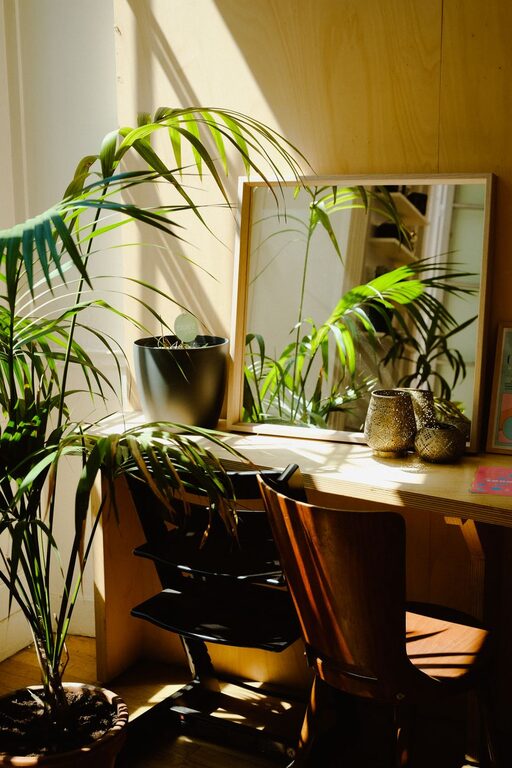
A dark room can feel smaller, colder, and less welcoming than the rest of your home. The good news is that you do not need a major renovation to make it brighter. A few thoughtful changes to lighting, color, furniture, and accessories can create a more open and comfortable space.
Whether the room has limited windows, faces away from the sun, or simply needs a style refresh, these quick ideas can help you bring in more light and make the most of the space.
Start With the Lighting
The right lighting can make the biggest difference in a dark room. Instead of relying on one ceiling fixture, use several light sources at different levels.
Layer Your Light Sources
A well-lit room usually includes three types of lighting:
– General lighting: Ceiling fixtures or flush-mount lights that brighten the entire room
– Task lighting: Desk lamps, reading lamps, or under-cabinet lights for specific activities
– Accent lighting: Table lamps, wall lights, or small decorative fixtures that add warmth
Using multiple sources helps eliminate dark corners and gives you more control over the room’s mood. Place lamps near seating areas, beside the bed, or on a console table. A floor lamp can brighten an empty corner without taking up much surface space.
Choose bulbs with a warm white tone for a cozy feel, or a neutral white tone when you want the room to feel crisp and energetic. Matching the color of your bulbs can also make the lighting look more balanced.
Use Mirrors to Reflect Light
Mirrors are one of the simplest ways to make a dark room feel brighter and more spacious. They reflect both natural and artificial light, helping it travel farther across the room.
Place a mirror:
– Across from a window to reflect outdoor light
– Beside a lamp to spread its glow
– Behind a console table to create a focal point
– On a wall opposite a light-colored surface
A large mirror can have a noticeable effect, but a group of smaller mirrors can also work well. Choose a frame that suits your decor, such as light wood, white, metal, or a simple frameless design.
Avoid placing mirrors where they reflect clutter or an unattractive view. The reflection should add brightness and visual interest rather than highlight areas you would prefer to hide.
Choose Light, Reflective Colors
Color has a strong effect on how bright a room appears. Light shades reflect more light, while very dark colors absorb it.
For walls, consider:
– Soft white
– Warm ivory
– Pale gray
– Light beige
– Soft blue
– Muted green
Pure white can look bright, but it may feel cold in a room with little natural light. A warm white or gentle neutral often creates a more comfortable result.
You do not have to repaint every surface. Painting just one dark wall, the ceiling, or the trim can change the overall feel. A lighter ceiling can make the room appear taller, while light trim can create a clean frame around the walls.
Before choosing a paint color, test a few samples at different times of day. Artificial lighting and limited daylight can change how the color looks.
Keep Window Treatments Light
Heavy curtains can block valuable natural light, even when they are pulled open. Replace thick or dark window treatments with lightweight options that allow daylight to pass through.
Good choices include:
– Sheer curtains
– Linen-look panels
– Light cotton shades
– Simple roller shades
– White or pale woven blinds
If you need privacy, consider layering sheer curtains with thicker panels. Keep the heavier panels open during the day so the window remains unobstructed.
Mounting curtain rods slightly above the window frame and extending them past the sides can also make the window look larger. This allows more light into the room and gives the wall a taller, more open appearance.
Add Light-Colored Textiles
Textiles cover a large portion of many rooms, so changing them can quickly affect the atmosphere. Replace dark rugs, bedding, cushions, or blankets with lighter alternatives.
Try adding:
– A cream or pale gray area rug
– White or light neutral bedding
– Cushions in soft colors
– A lightweight throw
– Light fabric dining or accent chairs
Patterns can work well, too. Look for designs that include plenty of white or soft background space. Small patterns add personality without making the room feel heavy.
If the floor is very dark, a large light-colored rug can create a brighter visual foundation. Choose a practical material that suits the room’s use and cleaning needs.
Rearrange the Furniture
Furniture placement can either help light move through a room or block it. Start by looking at the path between the window, lamps, and main seating area.
Try these adjustments:
– Move tall furniture away from windows
– Keep the area directly in front of the window open
– Position seating so it does not create a visual barrier
– Place reflective or light-colored furniture near darker walls
– Remove pieces that make the room feel crowded
You may not need to buy anything new. Simply moving a bookcase, chair, or cabinet can open up the room and make it feel more spacious.
If you are adding furniture, choose pieces with raised legs or open frames. These designs allow more floor and wall space to remain visible, which can make the room appear lighter.
Use Glass and Open Shelving
Solid, bulky furniture can make a dark room feel closed in. Glass, acrylic, and open shelving allow the eye to move through the space more easily.
A glass coffee table, mirrored cabinet, or open bookcase can provide storage without creating a heavy visual block. Keep open shelves neatly arranged so they do not become a source of clutter.
Use a mix of books, small plants, baskets, and decorative objects. Leaving some empty space between items will help the shelves look clean and airy.
Add a Few Green Plants
Plants can bring life and color to a dim room, but choose varieties that suit the amount of available light. Some plants can handle lower-light conditions better than others.
Place plants:
– Near a window with filtered light
– On a light-colored stand
– In a bright ceramic pot
– On a shelf where they will not block a lamp
– In an empty corner that needs more interest
If the room does not receive enough light for live plants, high-quality artificial plants can provide a similar visual effect. Avoid filling every corner, since too many plants can make the room feel crowded.
Reduce Clutter and Dark Accents
A cluttered room often feels darker because there are fewer clear surfaces for light to reach. Start with a simple editing session. Remove items you no longer use, group similar objects, and store everyday belongings in baskets or boxes.
Pay special attention to:
– Crowded tabletops
– Overfilled shelves
– Dark storage bins
– Excess wall decor
– Furniture that is rarely used
You can keep favorite pieces while creating more breathing room around them. A tidy room reflects light more effectively and usually feels larger without any major changes.
Finish With Small Bright Details
Once the main changes are complete, add a few small accents to reinforce the brighter look. Consider light-colored frames, metallic accessories, pale artwork, or a decorative tray that catches the light.
A satin or lightly reflective finish can add subtle brightness to selected surfaces. Use these details sparingly so the room feels polished rather than overly shiny.
You can also update lampshades, swap dark hardware for lighter finishes, or place a small lamp on a shelf. These affordable changes can make the room feel refreshed in just an afternoon.
Create a Brighter Room in Stages
You do not have to change everything at once. Begin with the easiest updates, such as cleaning the windows, replacing heavy curtains, moving furniture, and adding a lamp. Then consider painting, changing textiles, or introducing a larger mirror.
The goal is to reflect more light, remove visual heaviness, and keep the room comfortable. With a few simple adjustments, even a naturally dim space can feel open, cheerful, and inviting.