
A day off at home can be just as refreshing as a trip or a busy day out. With a little planning, you can create space to rest, enjoy simple comforts, and finish the day feeling renewed rather than rushed.
The key is to avoid treating your day off like another workday. You do not need to fill every hour or complete a long list of tasks. Instead, choose a few activities that help you slow down and make your home feel comfortable.
Start With a Simple Plan
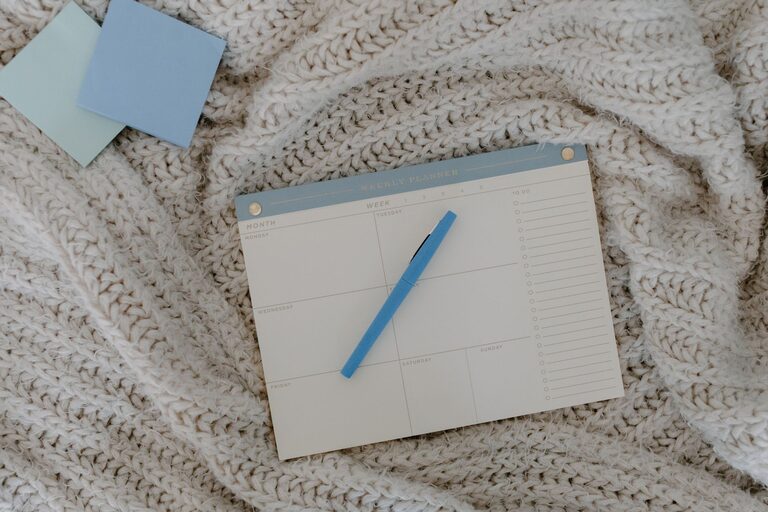
A restful day does not need a strict schedule, but having a loose plan can help you avoid drifting into chores or spending the entire day deciding what to do.
The evening before, take a few minutes to think about how you want the day to feel. You might want a quiet morning, a creative afternoon, or time to reconnect with a favorite hobby.
Write down three simple intentions:
– One thing that helps you rest
– One thing that brings you enjoyment
– One small task that makes your space more comfortable
For example, your plan could include reading for an hour, cooking a favorite meal, and putting away clean laundry. Keeping the list short leaves room for flexibility.
Create a Calm Morning
How you begin your day can influence the rest of it. Rather than reaching immediately for messages or work updates, give yourself a slower start.
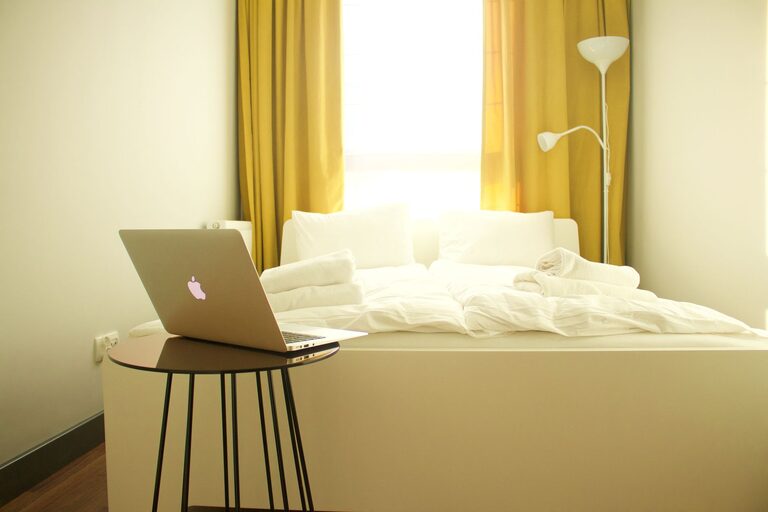
If possible, avoid setting an unnecessarily early alarm. Open the curtains, let in natural light, and make a drink you enjoy. You could prepare coffee, tea, or a glass of water with breakfast.
Try a simple morning routine such as:
- Make the bed or tidy one small area.
- Prepare a comfortable breakfast.
- Sit without rushing while you eat.
- Listen to quiet music, a podcast, or the sounds around you.
- Choose one pleasant activity for the next part of the day.
The goal is not to create a perfect morning routine. It is to begin the day with fewer demands and more attention to what you are doing.
Make Your Home Feel More Relaxing
Your surroundings can affect how easy it is to rest. You do not need to clean the entire house. A few small changes can make your main relaxation area feel more welcoming.
Consider these quick adjustments:
– Clear a chair, sofa, or corner where you plan to relax.
– Put away items that create visual clutter.
– Adjust the lighting to suit the mood.
– Open a window if the weather is comfortable.
– Place a blanket, book, or favorite drink nearby.
– Silence unnecessary notifications.
Choose only the changes that feel helpful. If cleaning starts to take over the day, stop after a few minutes. The purpose is to support your rest, not create a new project.
Choose Restful Activities
Rest can mean different things to different people. Some people relax through stillness, while others feel better after doing something with their hands. Think about what leaves you feeling settled instead of drained.
Quiet Activities
If you want a peaceful day, try:
– Reading a novel or magazine
– Listening to music
– Watching a familiar movie
– Doing a puzzle
– Sitting outside or near a window
– Writing in a journal
– Taking a slow bath or shower
Creative Activities
Creative hobbies can provide a break from everyday responsibilities. You might:
– Draw, paint, or color
– Bake something simple
– Try a craft project
– Rearrange a small part of a room
– Make a playlist
– Practice an instrument
– Work on a personal writing project
Choose activities because they sound enjoyable, not because they seem productive. A day off does not need to produce anything valuable to be worthwhile.
Plan Meals That Are Easy and Enjoyable
Food can be an important part of a relaxing day, but complicated cooking can quickly become tiring. Plan meals that are simple enough to prepare without adding pressure.
You could make a favorite breakfast, prepare a large lunch for leftovers, or order a meal you enjoy. If you like cooking, choose a recipe that feels interesting but manageable.
A useful approach is to prepare a few basic items in advance:
– Wash or cut ingredients
– Set out dishes and utensils
– Prepare a snack plate
– Make a large pot of soup, pasta, or another easy meal
– Keep drinks within easy reach
Try to avoid creating a large pile of dishes. Using fewer pans and cleaning as you go can make the end of the meal feel more relaxed.
Schedule Breaks From Screens
Screens can be entertaining, but continuous scrolling may make it harder to feel rested. You do not need to avoid technology completely. Instead, use it intentionally.
Decide when you want to watch a show, browse online, or play a game. Between activities, take short screen-free breaks. Stand by a window, stretch gently, read a few pages, or listen to music without checking your phone.
You can also make your devices less distracting by:
– Turning off nonessential notifications
– Moving your phone away during meals
– Setting a time to check messages
– Choosing one show or movie instead of endlessly browsing
– Keeping your charger outside your main relaxation area
The goal is to make your attention feel more available for the things you actually want to enjoy.
Include Gentle Movement
A restful day does not have to mean staying in one position all day. Light movement can help break up long periods of sitting and make your day feel more balanced.
Choose an option that feels comfortable:
– Take a short walk around the neighborhood
– Stretch for a few minutes
– Do light household movement
– Spend time gardening
– Dance to a few favorite songs
– Step outside for fresh air
Keep the activity easy and enjoyable. You are not trying to complete a demanding workout. A few minutes of movement can be enough to change your energy and help you return to rest.
Protect the Afternoon From Overplanning
Many people begin a day off with good intentions and then fill every open space with errands, chores, and obligations. Leave an unplanned block in the afternoon so you can follow your mood.
You might decide to read longer than expected, take a nap, call a friend, or do nothing for a while. An open period gives you permission to change your plans without feeling that the day has been wasted.
If an unavoidable task comes up, keep it contained. Set a reasonable time limit and complete only the most important part. You can always leave the rest for another day.
End the Day With a Gentle Reset
A calm evening can help you carry the benefits of your day off into the next day. Begin winding down before bedtime by lowering the lights, putting away a few items, and preparing what you need for the morning.
You might also:
– Make a warm, nonalcoholic drink
– Read instead of browsing
– Write down one enjoyable moment from the day
– Choose tomorrow’s clothes
– Set out anything needed for breakfast
– Put your phone on a quieter setting
Avoid judging the day by how much you accomplished. Ask instead whether you gave yourself time to rest, enjoy your home, and pay attention to your own needs.
Keep the Plan Realistic
The best day off is not necessarily the most carefully organized one. A helpful plan should make your day easier, not become another set of rules to follow.
Choose a few activities, make your space comfortable, and leave plenty of room for doing less. When you plan with flexibility, a day at home can become a simple and satisfying way to recharge.