
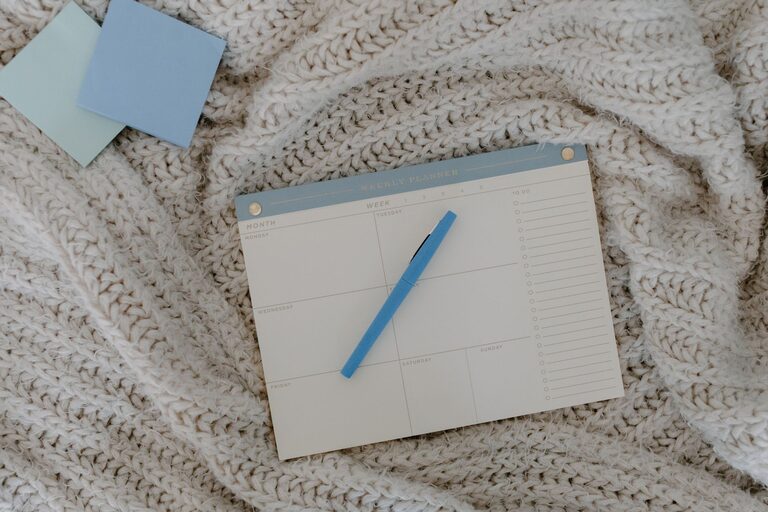
Keeping your home clean does not require spending an entire weekend scrubbing and organizing. A simple weekly cleaning schedule can spread chores across several days, making each task easier to manage.
The goal is not to make your home look perfect at all times. Instead, a schedule helps you stay on top of everyday messes, prevent chores from building up, and create a more comfortable living space.
Use this plan as a starting point, then adjust it to fit your home, household, and available time.
Daily Cleaning Habits
Before looking at the weekly schedule, choose a few small tasks to complete every day. These habits usually take only a few minutes but can make a noticeable difference.
Morning tasks
– Make the beds.
– Open curtains or blinds.
– Put away items left out overnight.
– Place dirty clothes in a hamper.
– Wipe up spills from the kitchen or bathroom.
Evening tasks
– Wash or load the dishes.
– Wipe kitchen counters.
– Sweep visible crumbs from the floor.
– Return items to their usual places.
– Take out the trash if the bin is full.
A quick evening reset can make the next morning feel less rushed. If you have family members or roommates, give each person one or two simple tasks to share the work.
Monday: Reset the Kitchen
Start the week by focusing on the kitchen. This room often collects dishes, crumbs, food packaging, and spills during the weekend.
Kitchen checklist
- Clear and wipe the counters.
- Clean the stovetop.
- Wipe the outside of appliances.
- Check the refrigerator for expired or unwanted food.
- Sweep and mop the floor.
- Clean the sink and faucet.
- Replace kitchen towels.
You do not need to deep-clean the refrigerator every week. A quick check is usually enough. Save detailed shelf cleaning for a less busy day or a monthly task.
While cleaning, work from the highest surfaces down to the floor. This keeps dust and crumbs from landing on areas you have already cleaned.
Tuesday: Care for Bathrooms
Bathrooms are easier to maintain when they receive regular attention. A short weekly cleaning can help keep surfaces fresh and reduce buildup.
Bathroom checklist
– Clear the counter and put items away.
– Clean the sink and faucet.
– Wipe the mirror.
– Clean the toilet, including the seat and base.
– Scrub the shower or tub.
– Replace hand towels.
– Empty the trash.
– Sweep and mop the floor.
Keep cleaning products and cloths in a nearby, organized place if possible. Having supplies ready can make the task faster.
Remember to follow product labels and avoid mixing cleaning products. Use good ventilation when cleaning enclosed spaces.
Wednesday: Dust and Vacuum
Midweek is a good time to focus on dust and floors throughout the home. These chores can make rooms feel noticeably cleaner, especially in high-traffic areas.
Dusting tips
Dust the following surfaces:
– Shelves
– Tables
– Window ledges
– Television stands
– Light fixtures
– Picture frames
– Baseboards in busy areas
Use a slightly damp microfiber cloth to help collect dust instead of moving it from one surface to another. Start with higher surfaces and work downward.
Floor care
Vacuum carpets, rugs, stairs, and upholstered furniture as needed. Sweep or vacuum hard floors, paying extra attention to entryways, kitchens, and areas under tables.
If you have pets, children, or a busy household, you may need to vacuum high-traffic areas more often. A quick pass is often enough between more thorough cleanings.
Thursday: Bedrooms and Linens
Thursday can be used for bedrooms and laundry. Keeping sleeping areas tidy may also make it easier to relax at the end of the day.
Bedroom checklist
– Change bed sheets.
– Dust nightstands and dressers.
– Put away clothing.
– Clear floors and surfaces.
– Empty bedroom trash bins.
– Vacuum or sweep the floor.
– Rotate or straighten decorative pillows and blankets.
Wash sheets according to the care instructions on their labels. If changing all bedding in one day feels like too much, do one bedroom at a time.
Use this day to gather clothing that needs washing, folding, or storing. Try to complete the laundry cycle rather than leaving clean clothes in a basket for several days.
Friday: Tidy Common Areas
End the workweek by refreshing the rooms everyone uses. This may include the living room, dining area, hallway, home office, or entryway.
Common-area checklist
– Put away books, toys, and electronics.
– Fold blankets and arrange cushions.
– Dust tables and shelves.
– Wipe frequently touched surfaces.
– Clean the dining table and chairs.
– Vacuum or sweep the floor.
– Organize shoes, bags, and mail near the entryway.
The entryway deserves special attention because it is often the first place where clutter collects. Use a basket, tray, or small shelf to give keys, mail, and other items a designated home.
Saturday: Choose One Deeper Task
Saturday can be used for one larger task that does not need to be done every week. Choose only one or two projects so cleaning does not take over your day.
Ideas for a deeper task
– Clean inside the microwave.
– Wash windows in one room.
– Wipe cabinet doors.
– Clean under furniture.
– Organize a pantry shelf.
– Wash shower curtains or bath mats.
– Dust ceiling fans.
– Clean the inside of a frequently used appliance.
– Sort one drawer or storage area.
Rotating these tasks keeps them manageable. For example, clean windows one week, organize a cabinet the next, and dust ceiling fans the week after that.
Sunday: Light Reset and Planning
Sunday can be a lighter cleaning day. Use it to prepare your home for the week ahead rather than taking on demanding chores.
Sunday reset
– Put away anything still out of place.
– Check household supplies.
– Plan laundry for the coming week.
– Empty small trash bins if needed.
– Wipe the kitchen and bathroom counters.
– Prepare school, work, or activity items.
– Choose meals or snacks if that helps your routine.
Take a few minutes to look at the week ahead. If you know you will be busy on a certain day, move that day’s task to another time or reduce it to the essentials.
How to Keep the Schedule Manageable
A cleaning schedule works best when it fits your life. Use these simple strategies to make it easier to follow:
Set a time limit
Choose a realistic limit, such as 15, 20, or 30 minutes. When the time is over, stop or take a break. A short, focused session is often more useful than waiting for a large block of free time.
Keep supplies together
Store basic supplies in an easy-to-reach location. A small cleaning caddy can help you carry cloths, brushes, and approved cleaning products from room to room.
Work from top to bottom
Dust and clean higher surfaces first, then finish with floors. This simple order prevents repeated work.
Share the work
Assign age-appropriate tasks to household members. One person can handle dishes while another puts away clutter or vacuums.
Focus on the essentials
If you miss a day, do not try to complete every task at once. Return to the schedule with the next priority. Consistency matters more than perfection.
A weekly cleaning routine should support your household, not create extra stress. Start with the tasks that make the biggest difference, keep each session manageable, and adjust the schedule as your needs change. With a few regular habits, your home can stay cleaner with less effort throughout the week.